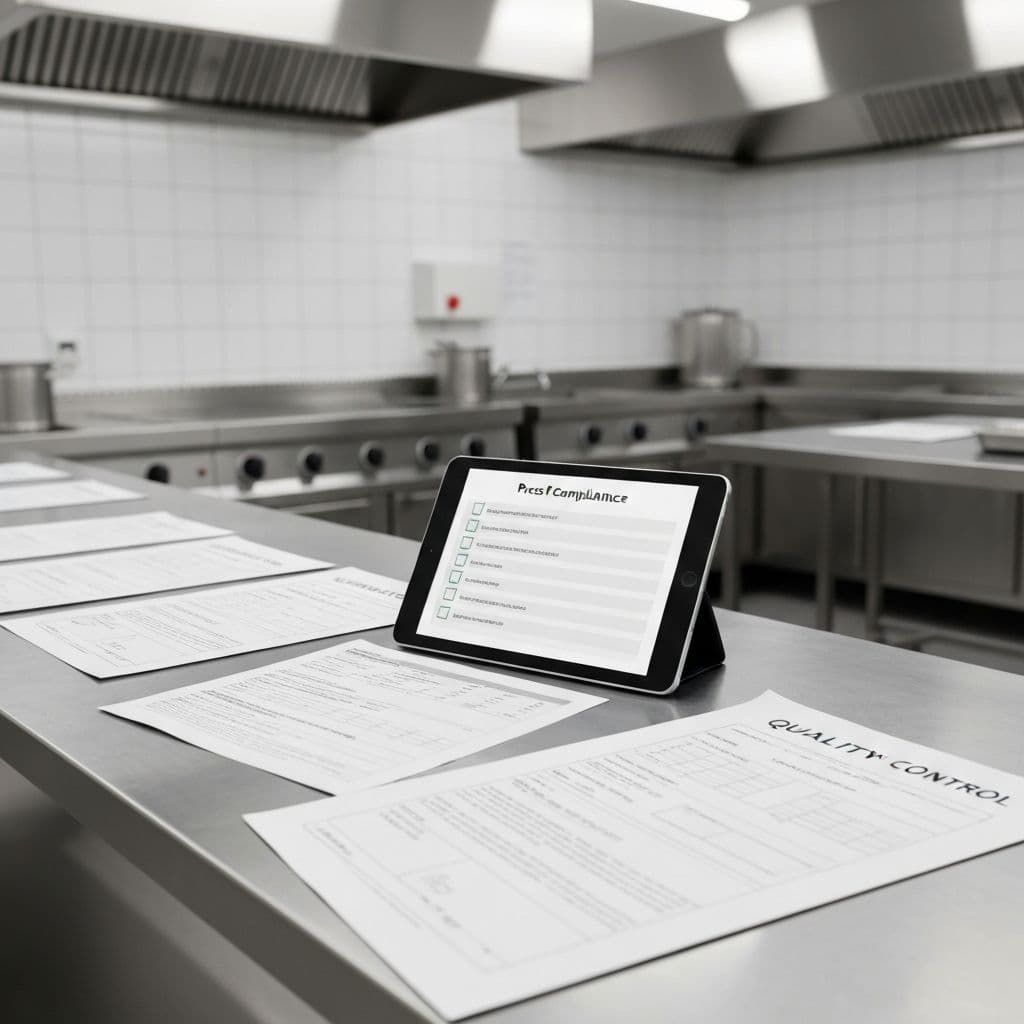
Every food manufacturer knows the feeling: the food safety plan exists, it is approved, and technically it checks the box.
But does it reflect the plant today?
That is the question FSMA forces manufacturers to ask. Under FDA's preventive controls framework, covered food facilities must prepare and implement a written food safety plan that includes hazard analysis and risk-based preventive controls.
The key word is implement.
A beautiful plan that does not match operations is not very useful. If the sanitation process changed, the plan should know. If a new supplier was added, the plan should know. If an allergen was introduced on a line, the plan should know. If monitoring records show recurring deviations, the plan should know.
The compliance hurdle is that operations evolve faster than documentation.
That is especially true in food and beverage, where product innovation, private-label demands, seasonal production, ingredient substitutions, and packaging changes can all happen quickly.
Manufacturers should build a habit of treating the food safety plan as a living operational system, not a static artifact. When reality changes, the plan should change with it.
What manufacturers should pay attention to:
Watch for gaps between written procedures and actual plant-floor behavior. If employees are doing the right thing but documenting it inconsistently, that is still a compliance risk.
Bottom line: Your food safety plan should not be a museum piece. It should be the operating manual for prevention.