Food safety used to be framed around response: find the problem, contain the issue, recall if needed, and fix what went wrong.
FSMA changed the center of gravity.
The FDA Food Safety Modernization Act shifted the U.S. food safety system toward prevention. FDA's preventive controls rule for human food requires covered facilities to have a food safety plan that includes hazard analysis and risk-based preventive controls.
That sounds straightforward. In practice, it is a major operational lift.
Food and beverage manufacturers need to know where hazards can enter the process, how those hazards are controlled, how controls are monitored, when corrective action is required, and how everything is documented.
The biggest hurdle is consistency.
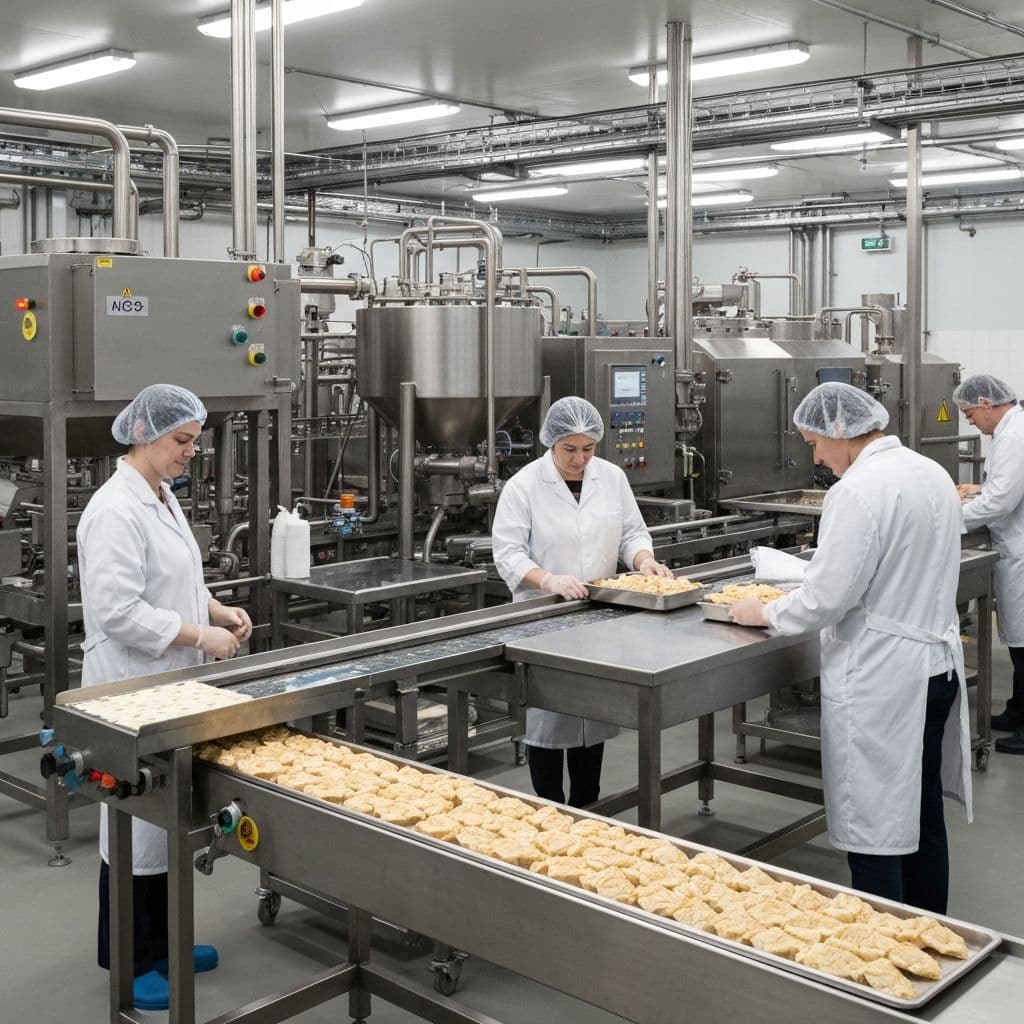
Food plants move fast. Shifts change. Ingredients change. Suppliers change. Equipment gets cleaned, repaired, and reconfigured. New SKUs are launched. Seasonal demand spikes. In that environment, a food safety plan cannot be a binder that gets dusted off during audits. It has to match what is actually happening on the floor.
What manufacturers should pay attention to:
Hazard analysis, sanitation controls, allergen controls, supplier approvals, preventive control monitoring, corrective actions, and verification records all need to connect.
Bottom line: FSMA is not about looking prepared after something goes wrong. It is about proving the system is designed to keep things from going wrong in the first place.